Article Directory
Generated Title: Student Loan Reform: A Quantum Leap Towards Accessible Education
Alright folks, buckle up because something genuinely exciting is happening in the world of education! The US Department of Education just finalized some major student loan reforms under the One Big Beautiful Bill Act (OBBBA), and I'm here to tell you why this isn't just bureaucratic shuffling – it's a potential quantum leap towards a more equitable and accessible future for higher education.
You see, for too long, the student loan system has felt like navigating a labyrinth designed by someone who really didn't want you to escape. Riddled with confusing repayment plans, unchecked borrowing, and institutions that weren’t always held accountable, it's been a mess. But with the RISE Committee's negotiated reforms, that could finally be changing.
A New Dawn for Higher Education?
At the heart of these reforms is the elimination of the Grad PLUS program, long criticized for fueling unsustainable debt. Think of it like this: for years, we've been giving students a blank check and then acting surprised when they ended up with mountains of debt. These changes are about setting responsible limits, like capping graduate borrowing at $20,500 per year with a $100,000 lifetime max (and $50,000/$200,000 for professional students, respectively, starting in July 2026). This isn't about limiting opportunity; it's about aligning education with reality.
Under Secretary of Education Nicholas Kent called the reforms transformative, saying they will "help drive a sea change in higher education by holding universities accountable for outcomes and putting significant downward pressure on the cost of tuition." And honestly, I think he's onto something. This is about more than just numbers; it's about changing the entire culture around higher education.
What I find particularly exciting is the collaborative approach taken by the Department. The RISE Committee reviewed 17 regulatory provisions, responding to recommendations from committee members in over a dozen areas! This is a huge deal, as it shows that the Department is serious about listening to stakeholders and crafting policies that work for everyone.
The Department held a virtual public hearing on August 7 to collect feedback on simplifying higher education regulations. I imagine that hearing was quite lively, with lots of different opinions and ideas being shared. But the fact that they even held it in the first place is a sign that they're committed to transparency and public engagement.
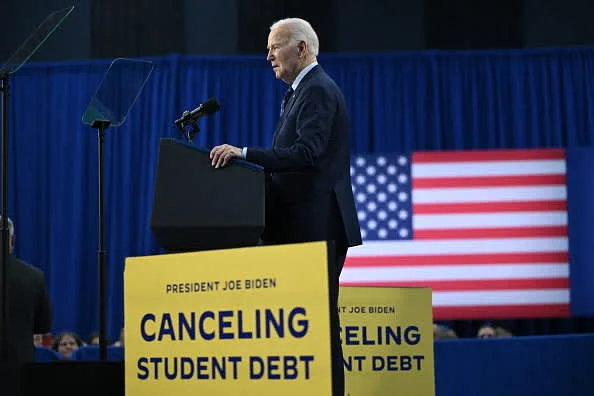
Now, I know what some of you might be thinking: "Okay, Aris, but how will this really affect students?" Well, imagine a world where students aren't burdened with crippling debt before they even start their careers. A world where universities are incentivized to offer programs that actually lead to well-paying jobs. And what about the impact on institutions? How will they adapt, and what innovations might arise from these new constraints? It's like a garden that's been overgrown for years, and we're finally starting to prune it back into shape.
The Big Idea: It's not just about debt reduction. It's about a fundamental shift in how we value and fund higher education, aligning it with real-world outcomes and financial responsibility.
I saw someone on Reddit comment that these changes are "a good start," and I couldn't agree more. It's a step in the right direction, a sign that we're finally starting to address the systemic issues that have plagued the student loan system for far too long.
Of course, we also need to acknowledge the potential downsides. Will these caps on borrowing limit access to higher education for some students? Will universities find ways to game the system? These are valid concerns, and we need to be vigilant in monitoring the impact of these reforms. But I'm optimistic that, with careful implementation and ongoing evaluation, we can create a system that truly works for everyone.
The reforms promise clarity, fiscal discipline, and protection for borrowers, while imposing accountability on universities for tuition pricing and programme outcomes. As the country moves toward implementation, the OBBBA is set to redefine expectations for both students and institutions, creating a system that balances higher education access with financial sustainability. US Education Department finalizes major student loan reforms, capping graduate borrowing and simplifying repayment.
A Future Worth Investing In
I'll be honest, when I first heard about these reforms, I felt a surge of hope. This is the kind of policy change that reminds me why I got into education and technology in the first place: to help create a better future for everyone. It's not a perfect solution, of course, but it's a significant step towards creating a more just and equitable system. And that's something worth celebrating. What this means for us is... but more importantly, what could it mean for you?
So, What's the Real Story?
These reforms aren't just about fixing a broken system; they're about investing in our future. They're about empowering students, holding institutions accountable, and creating a world where everyone has the opportunity to pursue their dreams without being crushed by debt. The future of education isn't just about learning; it's about creating a world where that learning can actually be applied.