
Article Directory
Lakeland: The Accidental Launchpad for the Future of Flight?
Okay, friends, buckle up. Because what's happening in Lakeland, Florida – yes, that Lakeland – might just be a sneak peek at how we navigate the skies of tomorrow. I know, I know, it sounds crazy. But stick with me.
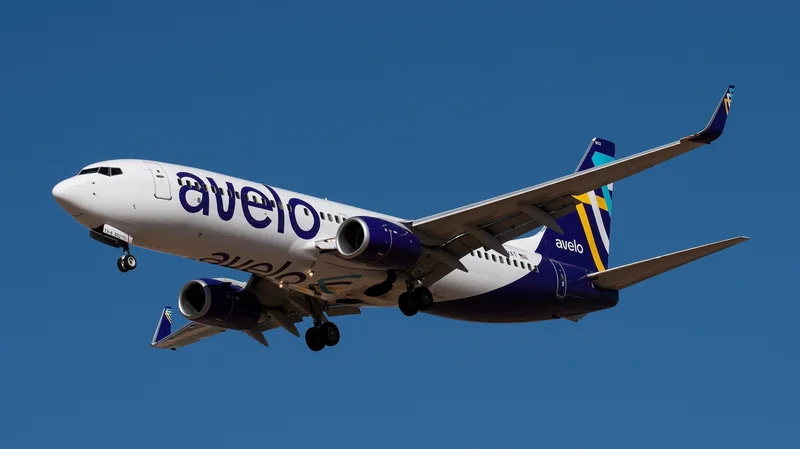
The FAA is in a bind. Government shutdowns are never fun, and this one's forcing some serious belt-tightening. They're mandating flight cuts at 40 major airports, including Orlando and Tampa. That's Avelo Airlines territory, and they're scrambling to figure out how to minimize disruptions. Now, here's where Lakeland Linder International Airport enters the chat.
Kris Hallstrand, the airport director at Lakeland Linder, is playing it cool, but you can feel the excitement bubbling under the surface. She's talking to Avelo, positioning Lakeland as an "alternative airport." Think about that for a second. While the giants are hobbled, a smaller player can step up. It's like that classic underdog story, but with airplanes!
What's really fascinating is the staffing difference. Orlando and Tampa are dealing with the shutdown's direct impact on federal employees, but Lakeland Linder's air traffic control tower is run by RVA Robinson Aviation, a contractor still getting paid. It’s a small detail, but it’s HUGE. It means Lakeland can maintain a level of service that the bigger airports might struggle to match.
Even the TSA situation, while challenging with unpaid officers, shows the dedication on the ground. Hallstrand's quote about the TSA folks keeping a smile on their face is just inspiring. They're putting passenger safety first, even when they're facing personal hardship. It’s a testament to the human spirit, honestly.
Here's the thing: This isn't just about rerouting a few flights. This is about rethinking air travel infrastructure. For years, we've poured resources into massive hubs, creating bottlenecks and vulnerabilities. What if the future is a network of smaller, more agile airports that can pick up the slack when the big boys stumble? What if Lakeland is a model for a more resilient, distributed air travel system? This is the kind of breakthrough that reminds me why I got into this field in the first place.
This reminds me of when Gutenberg invented the printing press. Before that, knowledge was concentrated in the hands of a few. The printing press democratized information, putting it within reach of the masses. Could Lakeland be doing something similar for air travel, decentralizing it and making it more accessible?
Of course, there are questions. How long will these FAA cuts last? Will Thanksgiving travel be impacted? (Probably, let’s be real.) But even if this is a temporary situation, it shines a spotlight on the potential of smaller airports. And what about infrastructure? Lakeland's TSA officers operate out of Tampa, which sounds like a logistical hurdle. Can Lakeland scale up its own services to handle a surge in traffic? These are challenges, sure, but challenges worth solving. According to Could FAA cuts to Orlando, Tampa airports result in more Avelo flights to Lakeland Linder?, FAA cuts could result in more Avelo flights in Lakeland, Florida.
Lakeland: A Blueprint for Tomorrow's Skies?
When I see something like this, I can’t help but get excited. This isn't just about airports and airplanes. It’s about innovation, resilience, and the potential to build a better future. Lakeland might just be the unlikely launchpad for a whole new era of air travel. And you know what? I'm here for it.