
Article Directory
Value City's Hiccup: Why This Furniture Fiasco is a Stepping Stone to Tomorrow's Home
Okay, so Value City Furniture's parent company, American Signature Inc., just filed for bankruptcy. I know, I know – the headlines are screaming about store closings and economic woes. But before we all start doom-scrolling, let’s take a breath and look at the bigger picture. This isn't just about one furniture chain; it’s about the entire landscape of how we live, how we shop, and what we value in a rapidly changing world.
The company cited a severe housing market decline. And yeah, they saw sales drop and losses climb. But let's be real, the world shifted on its axis these past few years. We went from a COVID-fueled home-renovation frenzy to… well, whatever this is. People aren’t just buying furniture the way they used to, and that’s not necessarily a bad thing.
The Great Reimagining of Home
Think about it: the pandemic forced us to re-evaluate our living spaces. Our homes became our offices, our gyms, our everything. And now? Now we're figuring out what "home" really means in a world where remote work is increasingly common, where experiences often trump possessions, and where sustainability is (finally!) becoming a priority.
Value City saw a 37% sales increase in 2021. That's amazing, right? But unsustainable. It was a sugar rush fueled by stimulus checks and cabin fever. The real story isn't about the fall; it's about what comes next. How do we create homes that are flexible, adaptable, and reflect our evolving needs?
I saw a comment on a Reddit thread the other day that really resonated with me. Someone wrote, "I'm not buying a massive sectional that'll last 20 years. I want something modular, something I can reconfigure as my life changes." That's the key! We're moving away from static, "forever" furniture and towards dynamic, adaptable solutions.
This bankruptcy filing? It's a wake-up call. It’s a sign that the old model – mass-produced, disposable furniture – is creaking under the weight of new realities. It’s like the shift from bulky desktops to sleek laptops. It was painful for some companies, sure, but it paved the way for a more mobile, connected world.
What if furniture became more like software – constantly updated, easily customizable, and designed for a circular economy? Imagine furniture subscriptions, where you swap out pieces as your needs evolve, or furniture built from recycled materials that can be easily disassembled and repurposed.
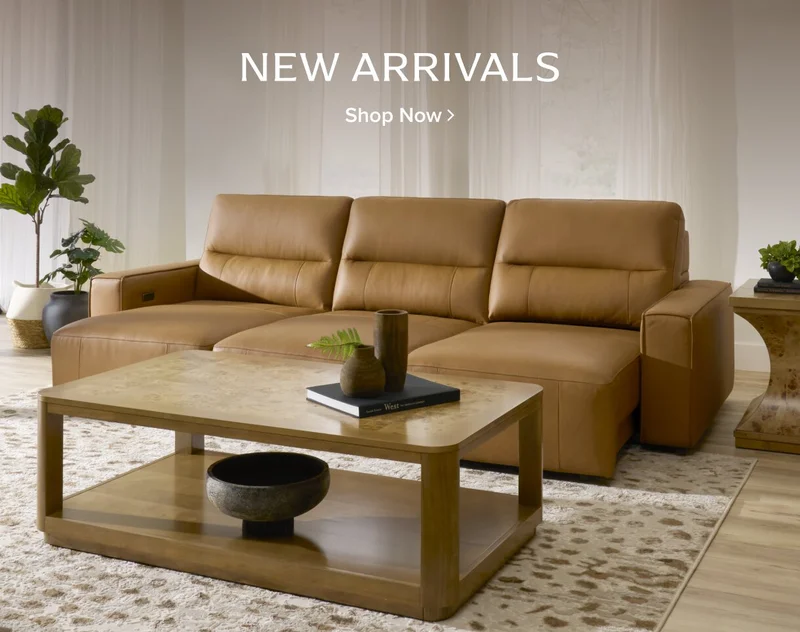
Now, American Signature is hoping for a sale, and they've secured some financing to keep things afloat during the process. They're even offering Black Friday and holiday discounts. All of this to say they aren't going anywhere. But it's clear that even if the name lives on, the business model needs a serious upgrade.
There's also the human element. The company employs 3,000 people, and store closings will undoubtedly impact lives. And while the Schottenstein family, who owns American Signature, has deep roots in the retail world (with connections to American Eagle and Designer Brands), even industry giants aren’t immune to disruption. It is concerning that the Schottenstein family and its affiliates are heavily involved in the bankruptcy proceedings. Is this a genuine effort to restructure, or something else entirely? Value City Furniture parent American Signature files for bankruptcy. Is this a genuine effort to restructure, or something else entirely?
But here's where I get really excited. What if this situation sparks a wave of innovation in the furniture industry? What if designers and manufacturers start prioritizing sustainability, modularity, and user-centric design? What if we see a rise in local, artisanal furniture makers who are committed to quality and craftsmanship?
From Crisis to Creation: A New Dawn for Design
This isn't just about furniture; it’s about a fundamental shift in how we think about our relationship with the objects we surround ourselves with. We need to move away from a culture of consumption and towards a culture of creation, where we value longevity, adaptability, and mindful design.
When I first started researching this, I felt a pang of disappointment. But then I thought about the printing press. Before Gutenberg, books were rare and expensive. His invention democratized knowledge and sparked a revolution. Could this bankruptcy be a similar catalyst – a painful but necessary step towards a more sustainable and human-centered future for the furniture industry? I think it could be, and that’s why I’m ultimately optimistic.
Of course, with all this innovation comes responsibility. We need to ensure that new technologies and business models are equitable and accessible to all. We can’t create a future where only the wealthy can afford sustainable, adaptable furniture. We need to find ways to make these solutions affordable and accessible to everyone.
The Home of Tomorrow, Built Today
So, yeah, Value City Furniture is facing some challenges. But those challenges are forcing us to ask bigger questions about the future of home. And that's a good thing. That's an exciting thing. It’s time to reimagine our living spaces, not just as places to store our stuff, but as dynamic, evolving ecosystems that support our lives and reflect our values. The speed of this is just staggering—it means the gap between today and tomorrow is closing faster than we can even comprehend.